experienced Sherwood Park Metal Building Construction for custom structures
Advantages of Metal Construction for Commercial Use
Metal building construction offers a wide array of benefits that are increasingly relevant for today's businesses. Cost savings, durability, and sustainability stand out as key advantages. The efficiency of assembly can notably shorten timelines, while the longevity of materials minimizes repairs. As companies seek to balance functionality with environmental responsibility, the appeal of metal structures is gaining popularity. Yet, the implications of these benefits go beyond mere practicality. What does this mean for the future of commercial construction?
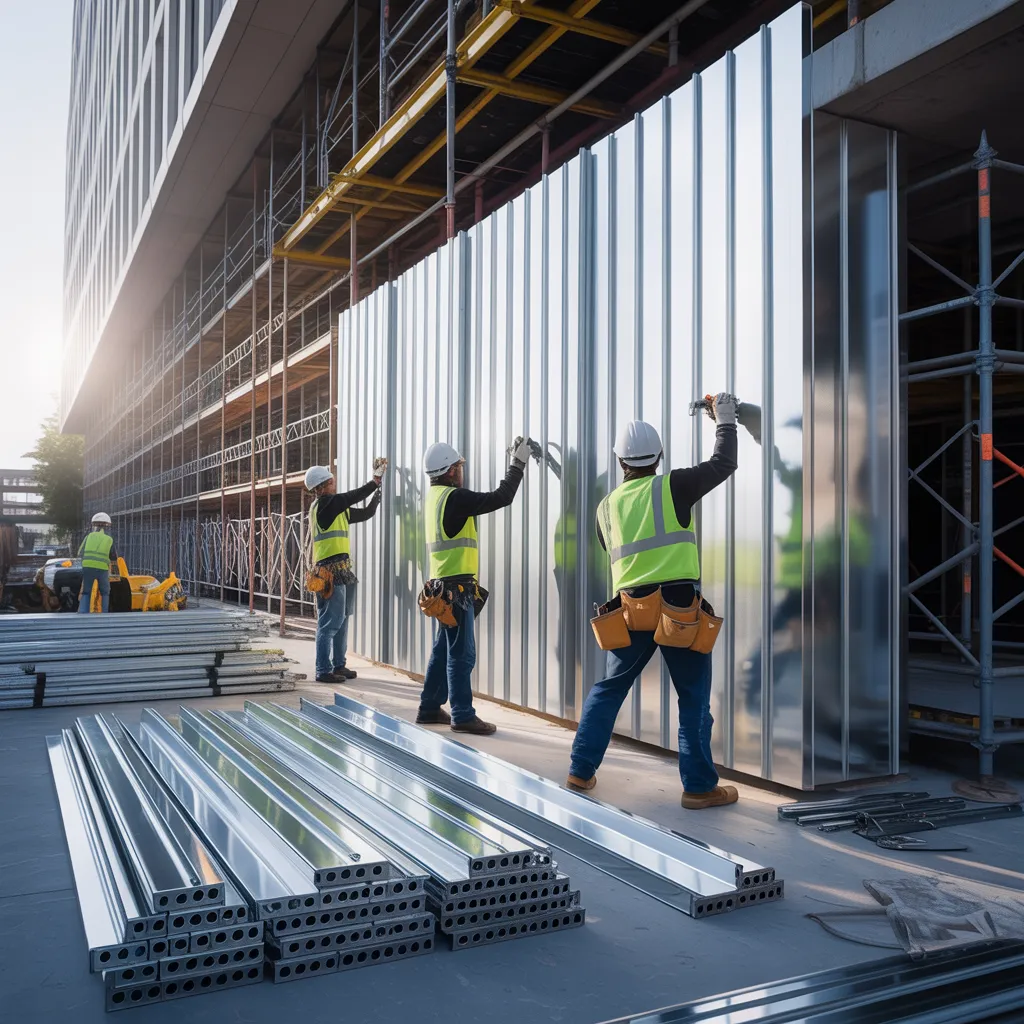
Why Metal Construction Is Budget-Friendly
Metal building construction offers notable affordability, making it an popular solution for various projects. One of the primary reasons for these savings is the lower workforce expenses associated with metal structures. Pre-engineered components often allow for faster installation, minimizing the time workers need on-site. Additionally, the materials used in metal construction are generally more affordable than traditional building materials, contributing to lower overall project costs.
Moreover, metal buildings typically have lower repair needs, which can lead to additional savings over time. Their durability reduces the maintenance costs, making them a long-term investment. Energy efficiency is another factor; many metal buildings are designed to enhance thermal efficiency, resulting in decreased energy bills. Overall, the combination of fast construction, lower material costs, and linked article reduced long-term expenses positions metal construction as a budget-friendly solution.
Strength and Longevity of Metal Structures
When considering the advantages of metal building construction, durability stands out as a key benefit. Metal structures are engineered to endure extreme weather conditions, such as strong storms, snow loads, and even seismic activities. This resilience considerably reduces maintenance costs over the lifespan of the building, making it an attractive option for businesses. Unlike traditional materials, metal does not deteriorate easily, guaranteeing long-term structural integrity.
Additionally, metal buildings are often treated to resist corrosion and rust, further enhancing their longevity. This durability guarantees that businesses can operate without frequent interruptions. The strength of metal also allows for wide-span interiors without numerous support columns, providing versatility for various needs.
Why Metal Construction Is Environmentally Friendly
While many construction materials contribute to environmental degradation, metal building construction offers a more eco-friendly option. Steel, a primary component, is highly recyclable, with a recycling rate exceeding industry-leading rates. This not only reduces environmental impact but also supports sustainability. Additionally, metal buildings often utilize modern insulation systems, which can lower energy consumption.
The reflective properties of metal roofs can lower indoor temperatures, leading to reduced energy bills. Furthermore, metal structures can support solar panel installation, enhancing their eco-friendly profile. Their durability extends building lifespan, reducing replacement frequency.
Why Faster Builds Mean Lower Costs
Accelerating the construction process can lead to major financial benefits for businesses. Metal buildings can be erected quickly due to modular systems, reducing labor costs and minimizing project duration. This rapid assembly translates into lower operational costs.
Additionally, shorter timelines enable businesses to begin operations sooner. Faster projects also result in less financial burden. The durability of metal buildings contributes to financial efficiency, as they require less maintenance.
Applications of Metal Structures
Metal buildings offer a diverse functionality, making them an versatile option for various industries. Their structural integrity allows use in industrial and retail environments. Additionally, they serve agricultural purposes such as livestock housing.
In retail, they can be transformed into commercial outlets. Educational institutions use them for gyms, while recreational uses include sports complexes. Their adaptability extends to residential uses like home extensions.
Are Metal Buildings Easy to Maintain?
Maintaining metal buildings is simple due to their reduced repair demands. Their durability contributes to long-term savings.
Low Maintenance Needs
Metal buildings are resistant to environmental wear, requiring only minimal attention. Protective coatings help extend lifespan. This efficiency allows owners to save time.
Strength and Longevity Benefits
Metal buildings are engineered to resist harsh conditions. They resist corrosion, pests, and damage, ensuring structural integrity. This durability supports cost-effectiveness.
Frequently Asked Questions
Design Flexibility
Options include various design elements, as well as features like custom additions.
How Does Metal Building Construction Compare to Traditional Materials?
Metal buildings offer greater durability compared to traditional materials like wood or brick.
Weather Resistance of Metal Buildings
Yes, metal buildings can resist harsh climates due to their durable materials.
Payment Solutions
Options include various financing methods to suit different budgets.
Are Metal Buildings Fire-Resistant?
Yes, metal buildings are safer, making them a reliable solution for many industries.